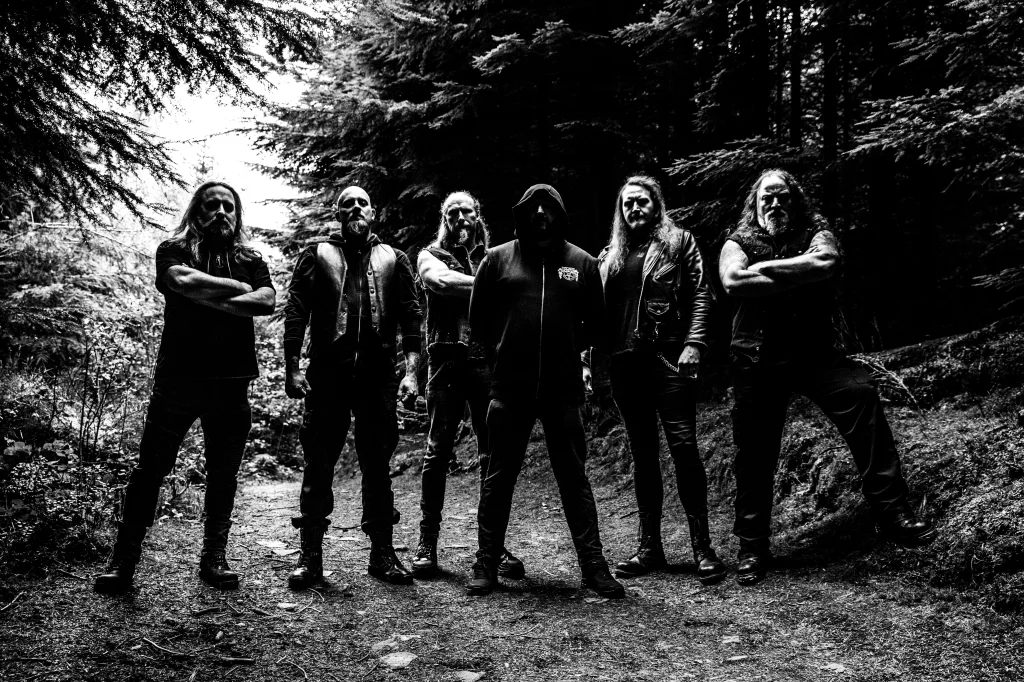
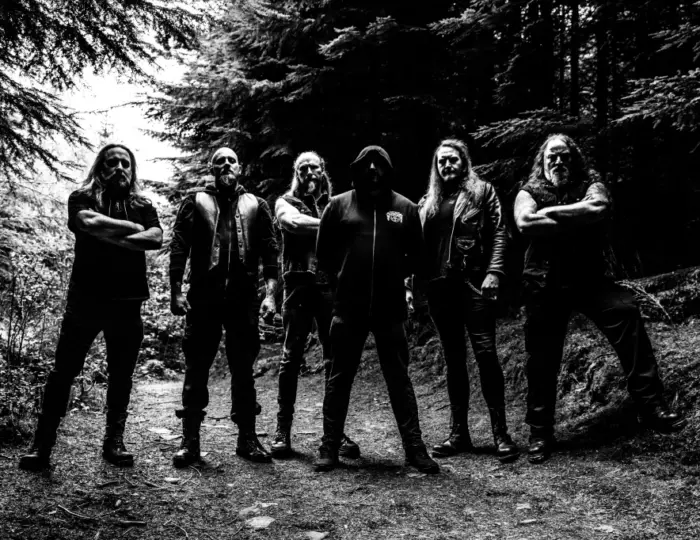

For over three decades, Hecate Enthroned have remained one of the defining names of the UK symphonic black metal underground, balancing grand atmosphere with the cold aggression that shaped the genre’s early years. With their new album, The Corpse of a Titan, A Lament Long Buried, the band returns after a lengthy silence since Embrace Of The Godless Aeon, diving deep into ancient British mythology while staying connected to the darkness and identity that first defined Hecate Enthroned in the 1990s. I spoke with the band about evolution, legacy, atmosphere, and why the old spirit still matters.
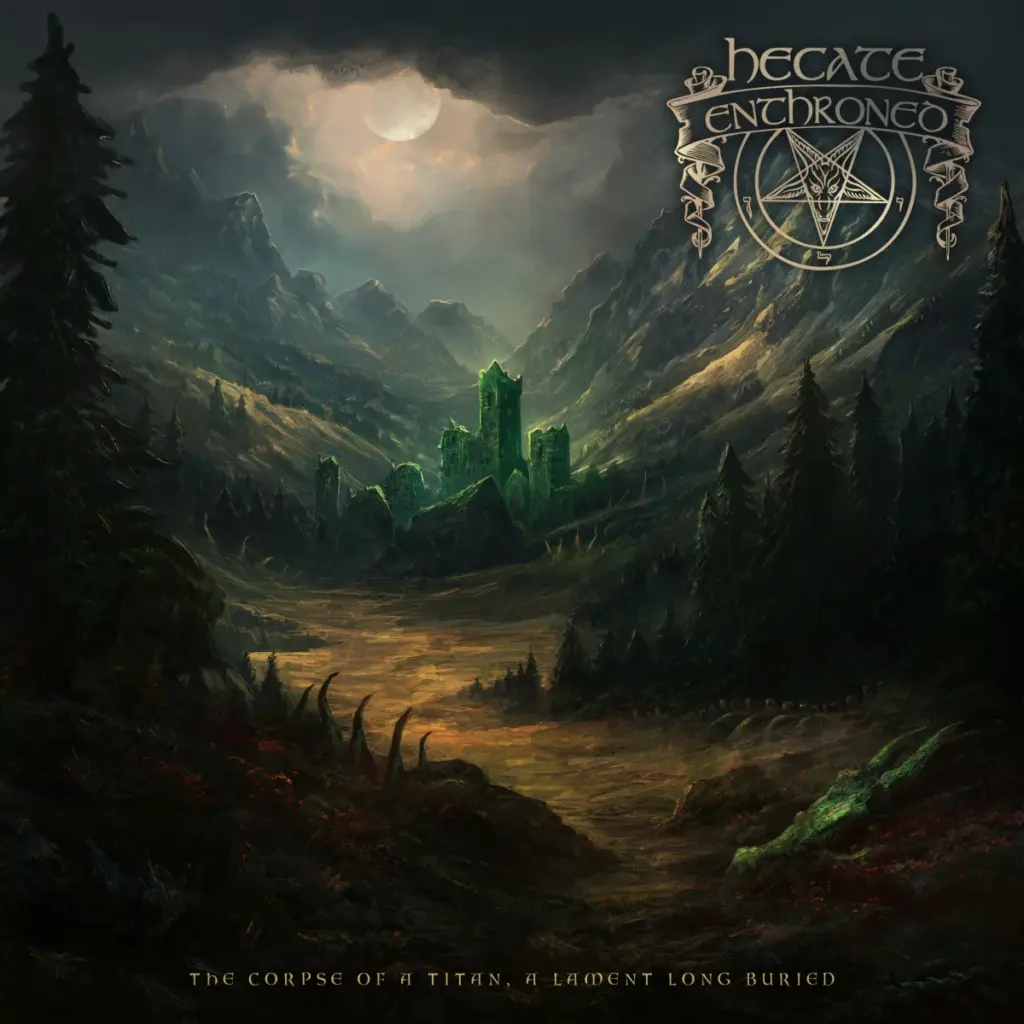
Hello! After the gap since Embrace Of The Godless Aeon, what did The Corpse of a Titan, A Lament Long Buried need to accomplish for you creatively?
Joe: The new album needed to show our growth and development as a band, while at the same time staying true to our origins. We are an ever changing band, constantly inspired by new things and experiences, but we’ll never stray too far away from the symphonic black metal core.
Why did ancient British myths and legends feel like the right thematic direction for this record?
Joe: I felt that Welsh and English mythology would strongly represent the band’s identity, creatively and thematically. We have all grown up with and been around these myths and legends, they are a part of where we are from and so we feel connected to them, but they are also things that our wider audience may not ever have heard of and so it’s really cool to be able to share these things with them.
What still defines the “traditional Hecate Enthroned way” for you after all these years?
Dylan: A true belief and passion for our music and not compromising who we are and what we do.
Do you think symphonic black metal has lost some of its darkness by becoming too polished or cinematic over time?
Dylan: Many different elements, sounds and instruments can be dark or menacing its how the music is crafted, to hear those elements more clearly only intensifies what they are. Mix and Production has a big role in the dynamics of a song and to make the overall sound what you want, whether it be dark, brooding, uplifting, epic or aggressive.
Looking back at The Slaughter Of Innocence, did you realize at the time how influential that era would become?
Dylan: No, at that time we were young and very excited about recording our music and touring just focusing on what we were doing as a band. The Black Metal scene was very different then and not as evolved or as big as it has become so we would never of expected the scene to develop as it has and for those albums to become so iconic.
Were there any production choices you deliberately avoided to preserve the album’s menace?
Joe: It was less about what to avoid and more about what to include. We worked with Dan Abela again on this album, whom we also worked with on ‘Embrace of the Godless Aeon’ and he has a fantastic mind for this kind of music and how to ensure that it retains its “menace”.
Does writing symphonic material feel more instinctive now than it did in the 1990s?
Dylan: We have always wrote in the same way as a joint production working on ideas and putting songs together. It’s probably become more instinctive as we have been doing it for so long and some of us have been together for 30 years, the writing has become intuitive between us.
How connected do you still feel to the original UK underground scene that shaped the band?
Dylan: As I said, the scene has changed so much and not many of the old bands still exist but yes there are a few of us left and we still play together and are in contact, it’s good to remember old times and create more. The UK BM scene for me is the healthiest its been, so many bands now and very good bands too, young talent coming through creating their own presence and time, and that has to be a good thing.
Was there a specific track that became the emotional centerpiece of the album during recording?
Joe: I think this will be different for everyone, but I think for me both ‘Deathless in the Dryad Glade’ and ‘Into a Vale of Endless Snow’ carry a lot of weight when it comes to the atmosphere that defines this album.
At this stage of the band’s history, what feels more important to you: preserving the legacy or still challenging yourselves creatively? Thank you!
Joe: It’s very much a mixture of both. It’s always important to grow and challenge yourself creatively, but you should never abandon your roots either.
Share: