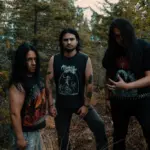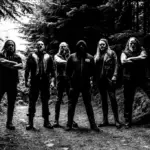
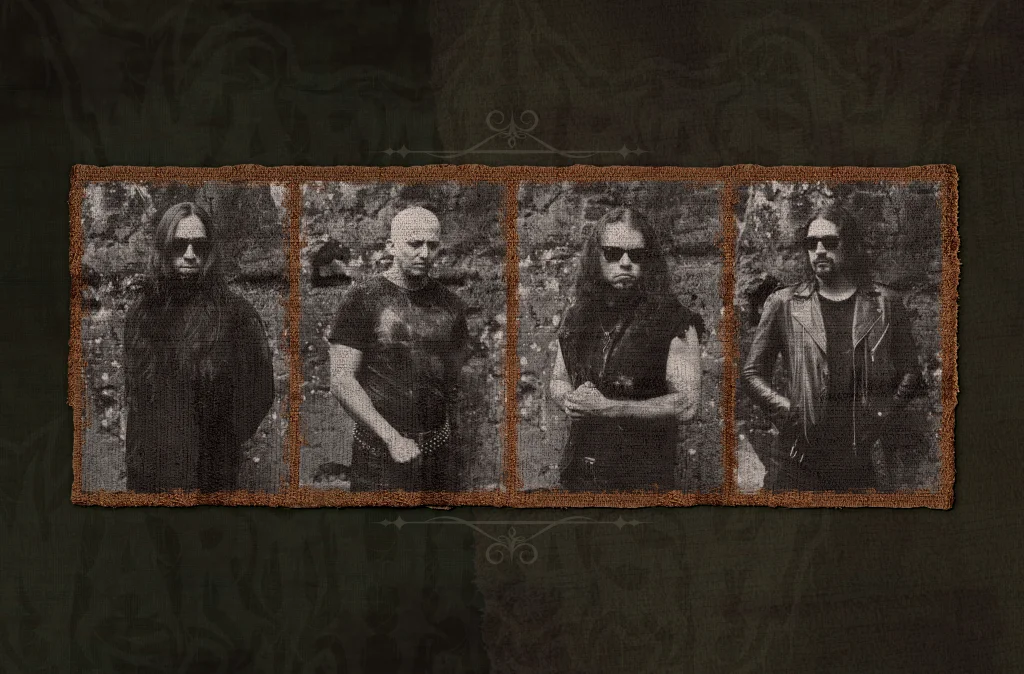


Colombia’s Warthrash have spent years sharpening their sound from raw thrash aggression into something darker, heavier, and far closer to classic death metal. With No Light Shall Remain, the band finally deliver the full realization of that evolution – a record built on organic songwriting, violent riff-driven intensity, and a clear rejection of sterile modern production. Balancing old-school thrash roots with suffocating death metal atmosphere, the album captures a band that sounds more focused and confident than ever before. I spoke with Warthrash about their gradual transformation, songwriting process, production philosophy, and the long road that led to their strongest material yet.
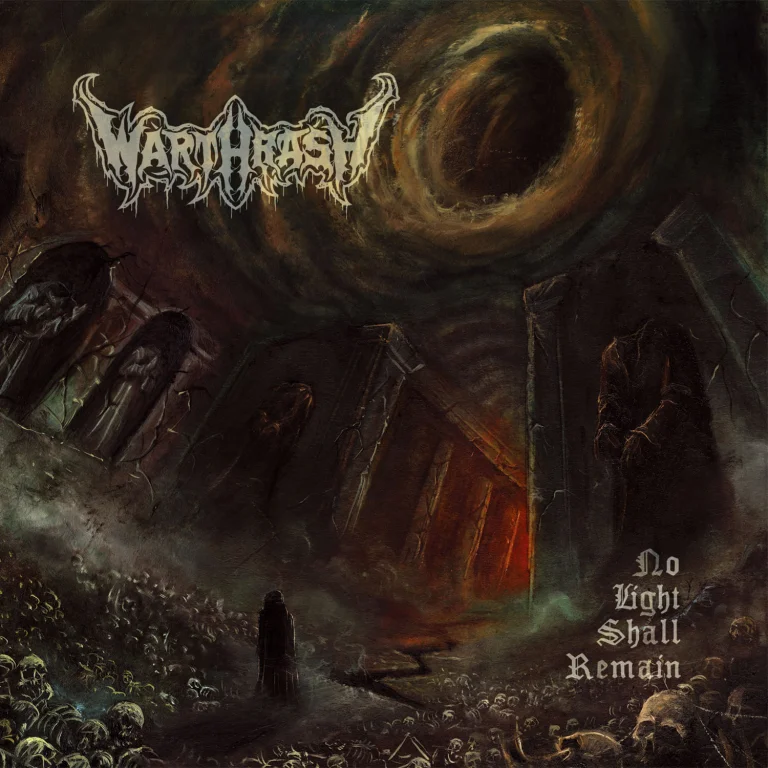
Hail! After the long gap since your first full-length, what did No Light Shall Remain represent for Warthrash at the moment you finally stepped into recording it?
This new album means a lot to the band, as it represents the consolidation of the sound and work we had been building for years. We are very happy with the final result, the rawness, and the intention behind every aspect of the album.
You’ve described moving from pure thrash into death metal – was that shift gradual, or did it happen suddenly through specific songs or ideas?
The transition from thrash metal into classic death metal has been a gradual one. Honestly, it happened in a very organic and natural way within the band. Even back on our first EP from 2012, Civis Pacem Para Bellum, there were already compositions leaning toward death metal. It was never purely old-school thrash.
As we kept releasing new material, the sound naturally evolved more into traditional death metal, although we still hold on to some essential thrash elements: suffocating riffs, galloping guitars, and drumming that follows that same aggressive riff-driven approach. At the same time, it’s true that everything from the tuning to certain songwriting structures has moved closer to a classic death metal sound.
When you look back at your earlier thrash foundations, what elements still feel completely non-negotiable in your sound today?
Inside the band, I don’t think there’s anything we would call “non-negotiable.” We simply have a very clear understanding of what Warthrash wants to do, and that naturally comes through in the songwriting.
Of course, there are several people contributing ideas to the songs, and whatever doesn’t work gets discussed and changed, while whatever works stays. There are four of us involved in the writing process, but it never feels fragmented. Ideas come in, everyone builds on them, and we always reach clear agreements so everything stays within the band’s sonic, visual, and lyrical identity.
Did Merciless joining on second guitar change your compositional direction immediately, or did it take time for that influence to settle into the band’s identity?
Merciless joining the band didn’t delay anything because the intention was never to force the process. We simply allowed his addition as a guitarist, along with the ideas he brought in, to blend naturally with what the band had already been building for years. It was a very calm writing process where we let the ideas mature until everyone felt satisfied with the result.
“Hand of Doom” has been described as having a more majestic, Infernal Majesty-inspired feel – how do you introduce that kind of atmosphere without breaking the album’s overall cohesion?
“Hand of Doom” is more of a nod to a sound like Infernal Majesty. It was an idea Merciless had been working on for a long time before bringing it to the band. From there, all of us contributed to shape it into something that sounded like Warthrash. But once the song was finished, we realized it carried an atmosphere very close to that classic Infernal Majesty style.
How did recording and mastering at Area 51 Studios in Medellín shape the final tone of the album compared to how it sounded during writing or rehearsal?
At Area 51 Studios in Medellín, the engineer Chengo immediately understood what we wanted from the album’s production. He knew we were aiming for a modern sound that could stand alongside current production standards, but without sounding plastic.
The production on this record feels clear but intentionally not over-polished – what were you actively resisting in terms of modern metal production trends?
We wanted the album to sound organic and human, like real people actually playing, instead of the robotic, overly polished, lifeless productions that are so common nowadays.
Merciless mentioned that you didn’t rush the writing process this time – what part of the album benefited most from that extra time and patience?
I think what benefited the most from not rushing the process after Merciless joined the band was the album as a whole. We gave the ideas time to mature, corrected what needed to be corrected, and changed whatever still didn’t fully convince us within the compositions until we ended up with an album that truly satisfied all of us.
When No Light Shall Remain is viewed in the context of Warthrash’s entire evolution, what feels like the biggest internal victory: sound, songwriting control, or identity clarity? Thank you!
At the end of the day, the band’s biggest internal victory was simply creating an album that we are all genuinely proud of. Thanks for your interest in our new album!! Cheers!!
Best regards,
Héctor Hincapié, Caronte, Drums and Vocals
Johnathan Calle, Merciless, Guitars and Backing Vocals
Facebook: https://www.facebook.com/WarthrashColombiaOficial
YouTube topic: https://www.youtube.com/channel/UCUMG1MX4sX4sqV2NECVE6DA
YouTube page: https://www.youtube.com/@warthrashcolombia8287

Share: