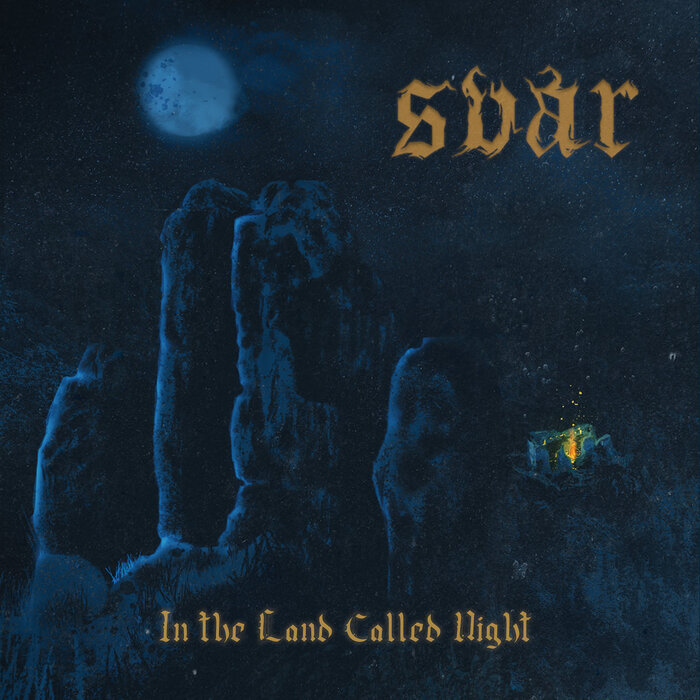

At the end of 2024, the Polish one-man black metal project Svar released its debut full-length album In the Land Called Night through the local underground label Via Nocturna. Rather than reinventing the wheel, Svar is strongly motivated by Scandinavian black metal of the 1990s, seasoning it with a vivid melodic edge. There are no major revelations here, but the material is solid in the classical sense – professionally executed and filled with melodies genuinely pleasing to both ear and soul.
Svar is a relatively fresh project created in 2020 by Kraków-based multi-instrumentalist Kamil “Hexed” Bolesta, who is also active in the local band Void of Sympathy, a band rooted in a more modern melodeath/groove direction. With Svar, however, he has complete artistic freedom, and it is really noticeable how much energy has been poured into the music, arrangements, lyrics, and artwork. Because of that, In the Land Called Night radiates something sincerely heartfelt and energizing. In recent years, Poland has seen an explosion of new extreme metal bands, especially within black and death metal realm, and many of them begin by imitating their favourite artists before gradually developing a sound of their own. Svar currently stands on an invisible border: still deeply inspired by Swedish melodic black metal, yet already revealing the first sparks of individuality throughout In the Land Called Night. Before this debut, Kamil released two Extended plays – “Behind the Veil” in 2021 and “Under a Sky Full of Thunder” in 2022. Those EPs felt like a warm-up; the debut, meanwhile, showcases his progress in a very traditional way, yet with elegance, avoiding both excessive ornamentation and dissonant detours.
Online, In the Land Called Night is often described as a pagan/black metal album, though in truth there are no real folk elements in the music itself. The mythological aspect exists mostly within the lyrics, particularly on “Expelling the Zmei” which draws inspiration from Slavic legends. In that sense, the purity of the black metal here is not merely conditional – it is fundamental. The flirtation with melody naturally points Svar towards the roots of melodic death metal, which rather quickly branched off into what later became melodic black metal, and traces of both subgenres can clearly be heard throughout the album. Scandinavian melodic extreme metal is famous for its melancholic atmosphere and luminous melodies, with some bands eventually drifting towards dark metal territory – closer to gothic music than black metal, but certainly not Svar. Harshness and atmosphere matter more here than romantic ennui or subdued tenderness. There is no room for sluggish sorrow; instead, the album is steeped in misanthropy and nihilism. Even listening to In the Land Called Night on a scorching summer day, you still feel pierced by cold.
The album opens with “Through Lakes, Forests and Swamps” in a fairly traditional manner – engaging black metal, moderately raw, atmospheric, slightly restless, with highly melodic guitar solos. It is interesting how traces of something almost progressive occasionally emerge, though without artificial technicality or excessive drama, especially on “Expelling the Zmei” and “Lost in the Carpathian Forest,” the latter dedicated to Valfar of the legendary Windir, who died more than twenty years ago during a snowstorm in a Norwegian valley. At times the black metal itself retreats into the background, making it feel as though you are listening to authentic Swedish melodic death metal straight from the 90s, particularly on “Venomous Words of Virtue” and the title track “In the Land Called Night”.
Svar’s creation is not about overwhelming atmosphere or depressive gloom. It is more about a distant light concealed beneath layers of eccentric and grotesque shadows – apathetic and dark on the surface, yet carrying faint traces of optimism underneath. The nocturnal theme captures the soul of this music perfectly, which is why both the title and the album artwork (mysterious and painted in cold blue tones) reinforce the value of this mystical time of the day. The tension is sustained by a constant undercurrent of anxiety that infects every composition with an invisible aura, preventing the album from slipping into passive background listening. Yet at the same time, the music is not so complex that it becomes difficult to absorb; even during first try, both the technical details and emotional layers can be neatly unpacked and comprehended. There is no feeling of incompleteness here, which makes In the Land Called Night feel cohesive and mature.
The black metal scene is currently going through relatively calm times – not a crisis, but certainly not receiving major mainstream attention either. Of course, the legendary names remain on the surface, having earned their reputations through sweat, spilled blood, perhaps even a few burned churches or maybe simply through excessive poser attitude; every listener decides that delicate question for themselves. The last real wave of controversy and heightened attention came when post-black metal suddenly drifted towards fashionable alternative genres, making debates over whether a more or less traditional black metal band was “true” enough begin to sound almost absurd compared to what is labelled black metal today. Bands like Svar, however, have no interest in such cultural skirmishes, instead choosing a smaller niche while remaining faithful to the genre’s canon and aesthetic principles.
Share: